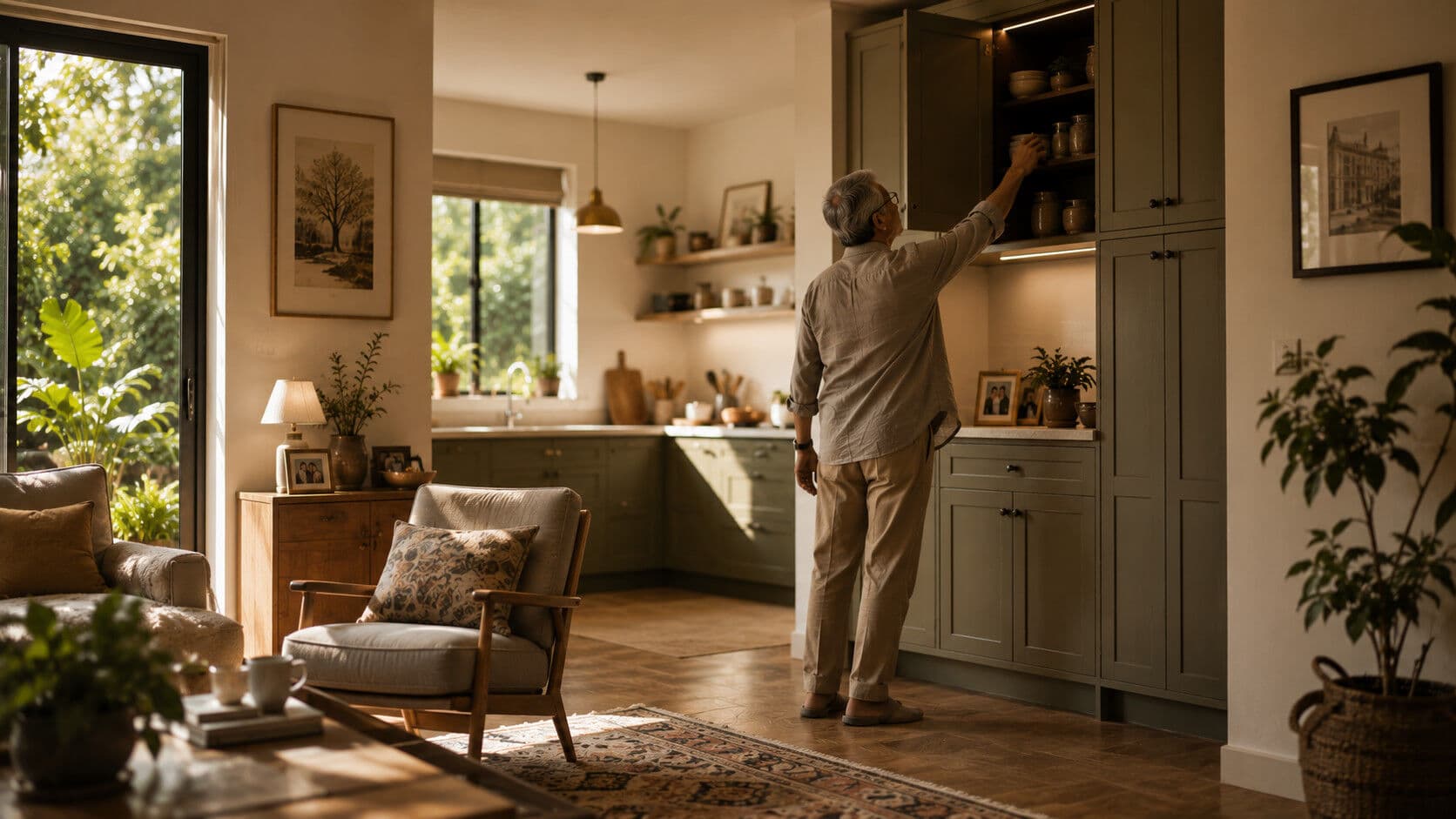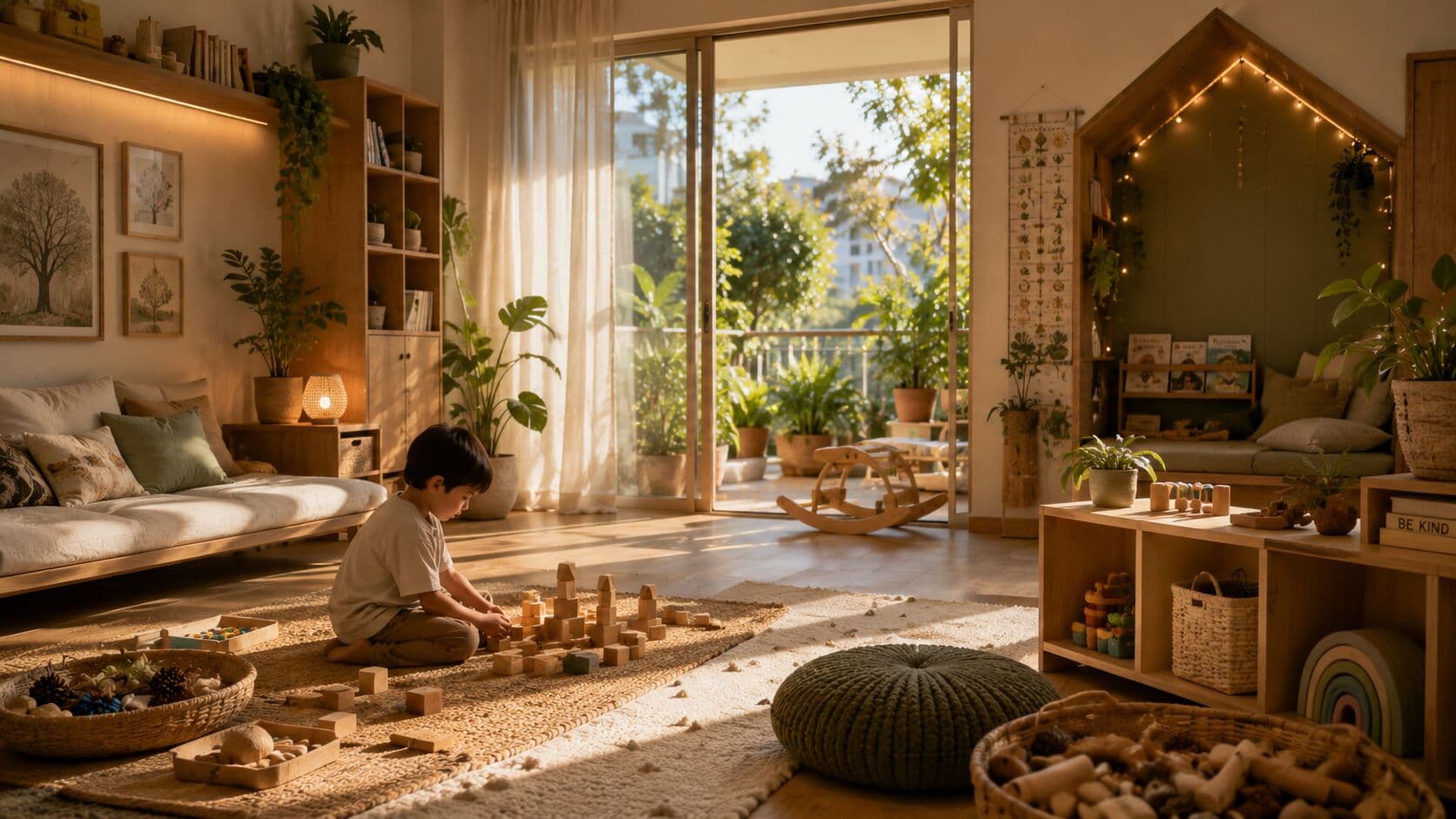
Remember those golden afternoons from your own childhood?
Running barefoot on grass, climbing trees, splashing in puddles, collecting stones that felt just right in your hand, or lying on the floor building endless block towers while the sunlight streamed in. Those simple, rich sensory moments — the feel of mud between your toes, the smell of rain on earth, the joy of messy play — quietly shaped you into the sensitive, empathetic person you are today.
Those experiences taught your nervous system how to notice, process, and respond to the world and the people around you with kindness and understanding.
Now, as a parent, you naturally want the same gift for your child — a strong emotional intelligence (EQ) that will help them navigate relationships, handle challenges, and thrive in a complex world. Socio-economists and futurists like those at the World Economic Forum repeatedly highlight that empathy, self-awareness, and emotional regulation are among the top skills for the future workforce. In a world increasingly driven by AI and technology, human connection and emotional intelligence are what will set your child apart and help them lead meaningful lives.
The beautiful part is that you can actively nurture this at home through balanced sensory inputs — the everyday touch, sight, sound, and movement experiences that build a rich, resilient nervous system and deeper empathy.
Research supports this strongly. Studies on early childhood development show that rich, varied sensory play and responsive environments in the home significantly enhance emotional intelligence, self-regulation, and empathetic abilities. A supportive physical space helps children process emotions better, understand others' feelings, and develop the social-emotional foundation they need.
You don't need a fancy setup or expensive changes. Small, thoughtful elements in the home — textures to explore, safe spaces for movement, gentle lighting, natural materials, and areas for quiet sensory play — can make a profound difference.
Lucy can help you create exactly this kind of nurturing environment. As your warm design assistant, she listens to your child's unique personality and your family's daily life, then suggests simple, practical ways to design spaces that provide the right balance of sensory experiences — helping your child grow into a compassionate, emotionally intelligent adult while keeping life easy and joyful for you.
Your home can be the gentle place where your child's heart and mind both flourish.
Lucy is here whenever you feel ready to explore those small but meaningful changes.