Spatial Psychology, Three Years Later: Designing for a Neurodivergent Mind
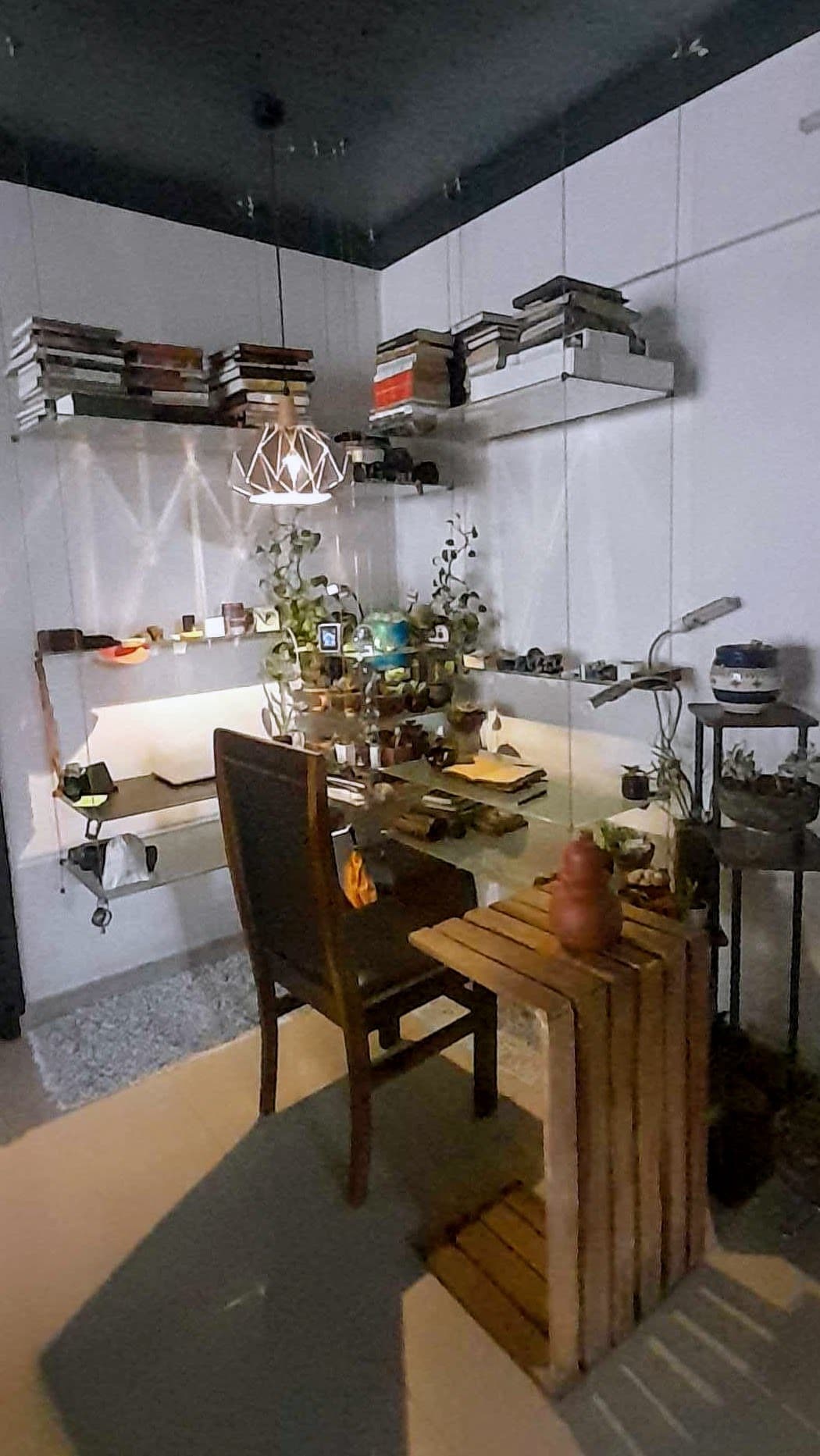
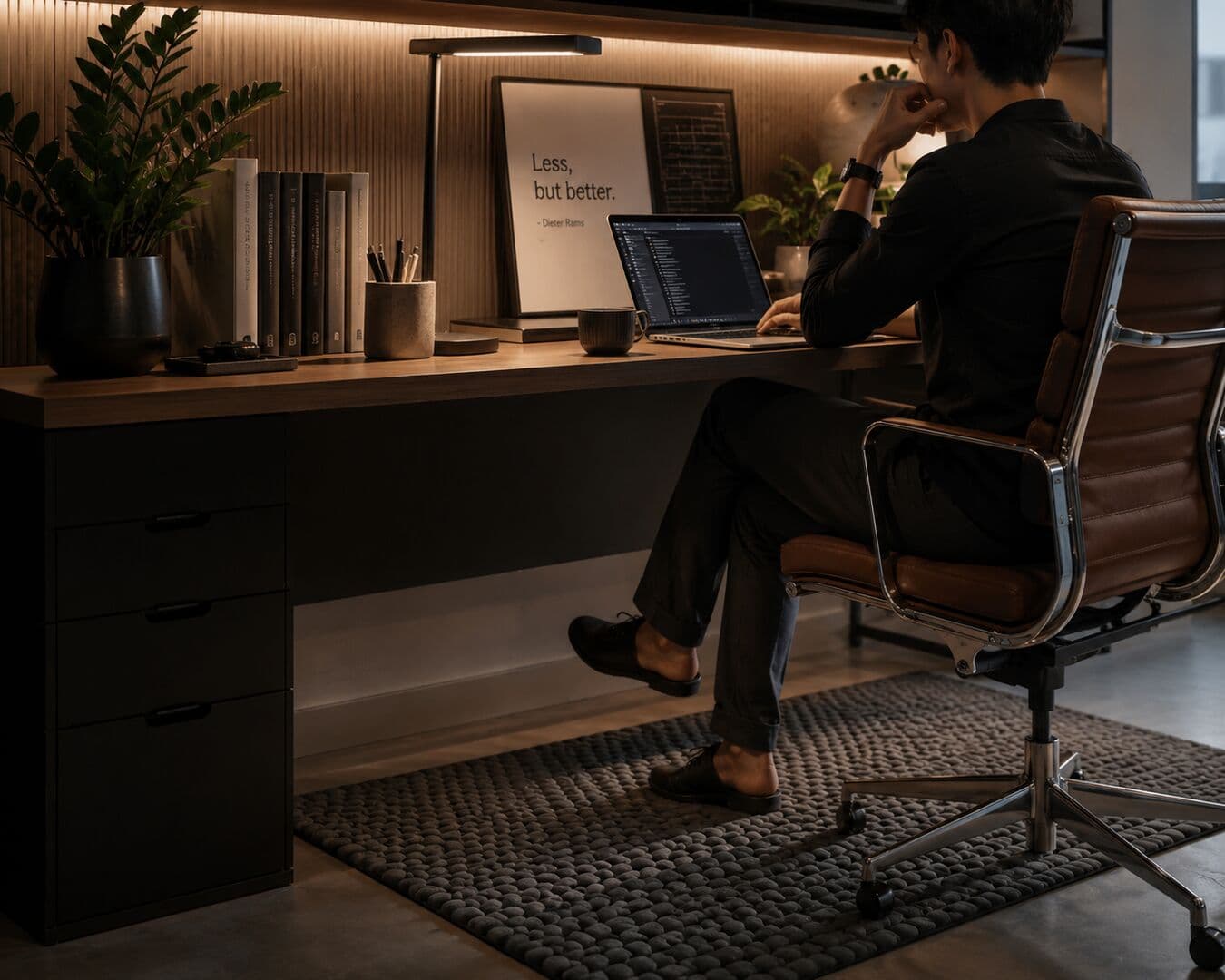
Three years after designing my first intentional workspace, I revisited it with a deeper understanding of my own neurodivergent needs. Here's what changed.
Thoughts on spatial psychology, design, and how your space shapes you.

Three years after designing my first intentional workspace, I revisited it with a deeper understanding of my own neurodivergent needs. Here's what changed.

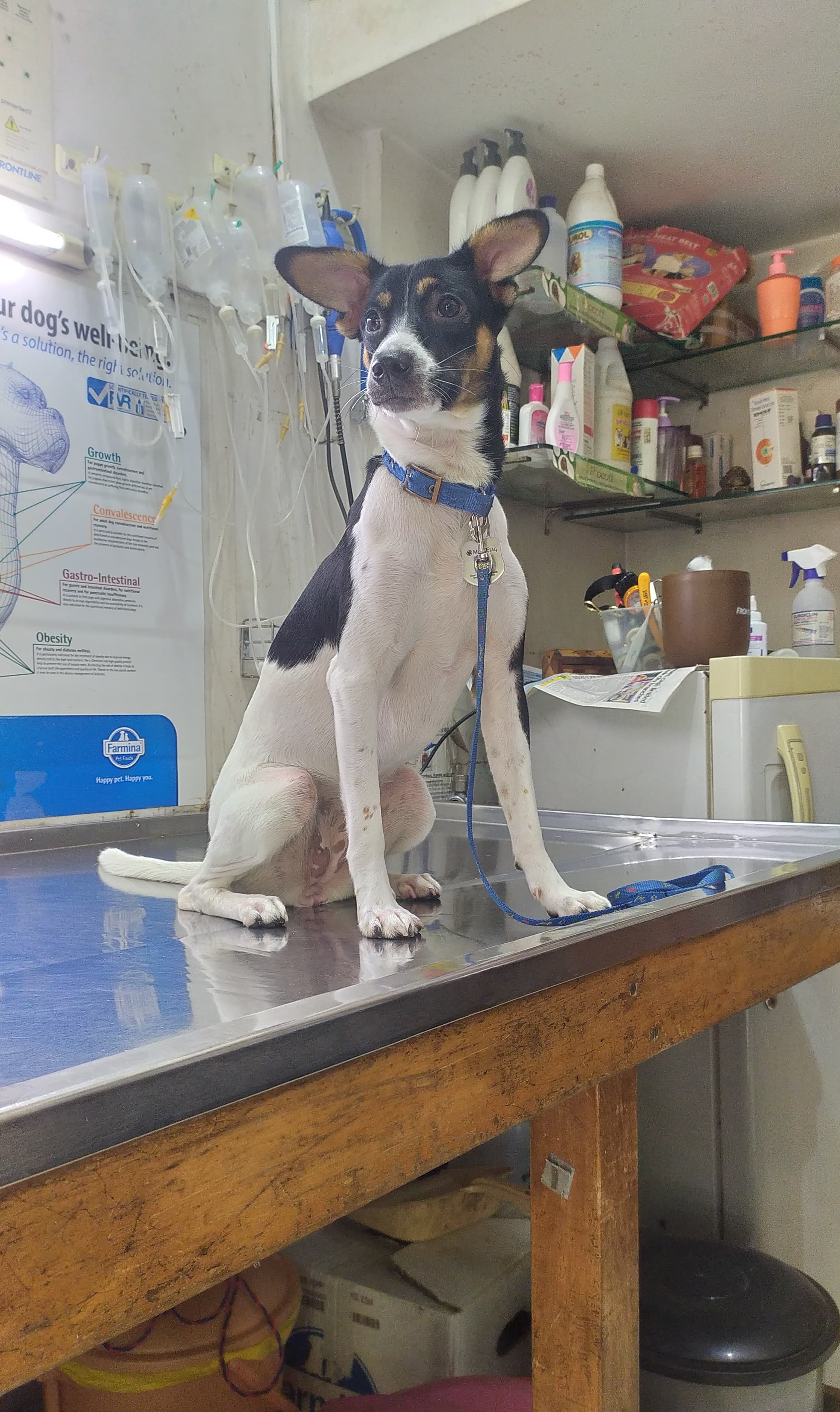
How flickering lights in a vet clinic triggered sensory overload — and what that teaches us about designing spaces that preserve our empathy.

Prolonged boredom at work spikes cortisol and triggers unconscious fidgeting. Lucy analyses your workspace from a few photos and tells you exactly what to change to restore calm and focus.

The last thing you see before sleep shapes the quality of your rest. Lucy helps you redesign your bedroom's visual cues so your environment supports winding down instead of keeping you alert.

Larger apartments on paper, yet families are compromising more than ever. The real problem isn't square footage — it's how shared spaces are designed.

You designed the perfect room with soft colours and modern lighting. Yet your teenager is withdrawing, avoiding school, and rubbing their eyes. The space itself may be quietly overwhelming their developing nervous system.