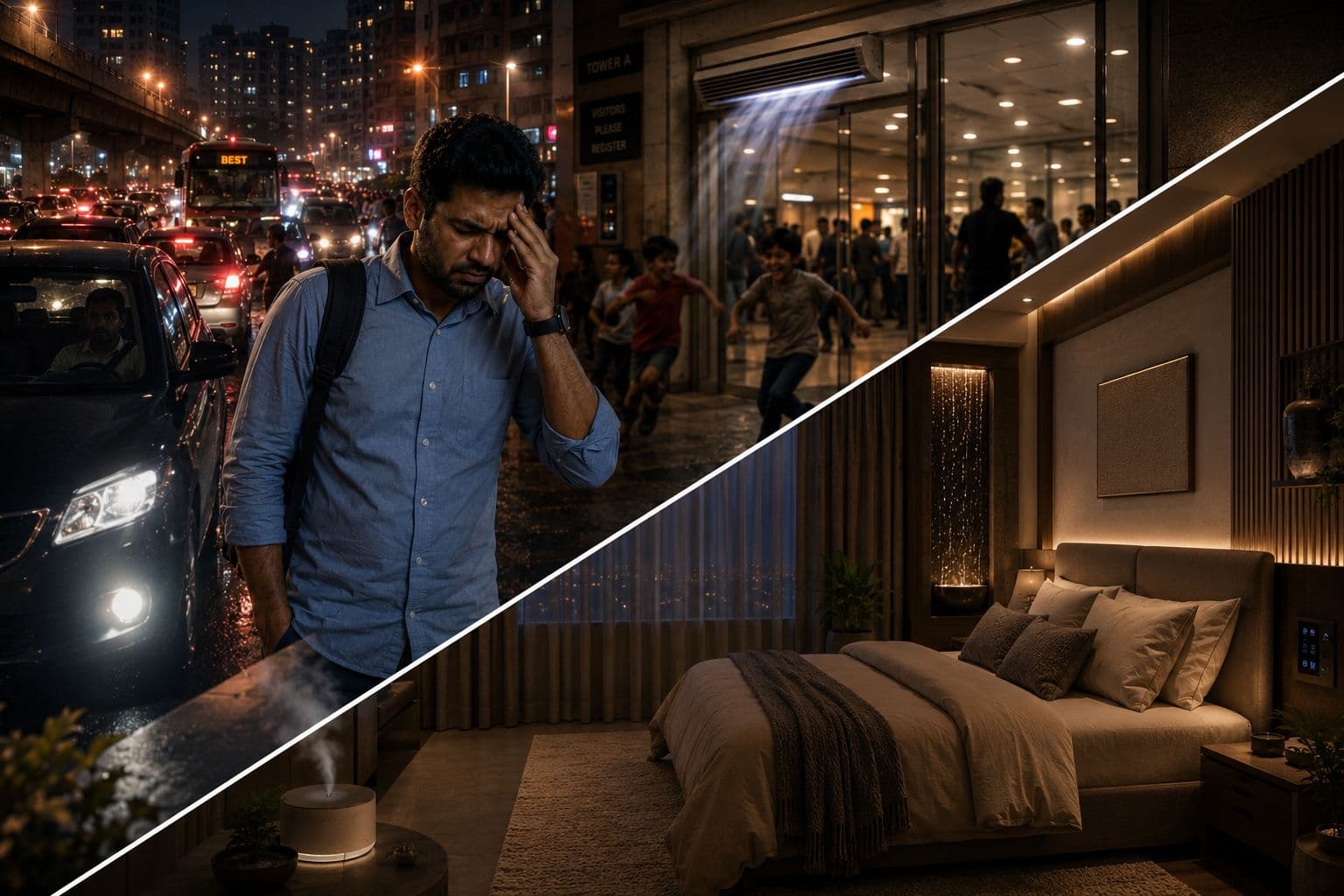
A night-shift IT professional working for an overseas client turned to Lucy with a very specific challenge.
To protect his daytime sleep, he had turned his bedroom into a completely dark space — heavy drapes drawn tight, no sunlight allowed in at all. The room wasn't dark in terms of colour or material; it was dark in the literal sense — an absence of light. It seemed like the only practical solution for his schedule.
But over time, this complete disconnection from natural light began to take a toll. He started feeling constantly fatigued, his mood became low, and even simple tasks felt heavier. His body clock was completely out of sync.
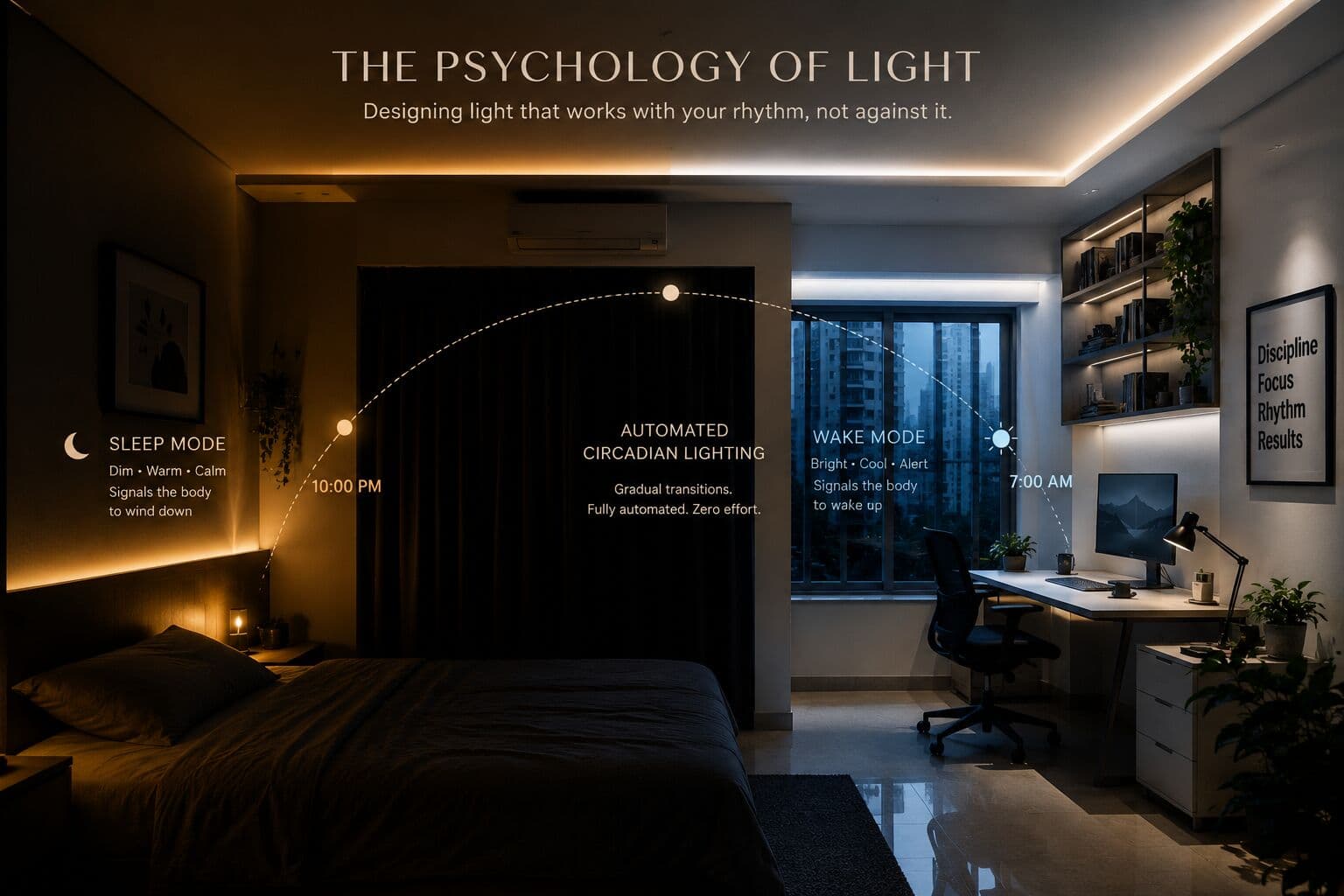
Lucy listened carefully to his routine and constraints. Instead of telling him to simply open the curtains, she understood the real need for total darkness during sleep hours. She suggested a custom automated lighting system that mimics natural day-night cycles. During the few hours he was awake, the lights would gradually brighten with full-spectrum daylight to help his body recognise it was time to be alert. When he prepared for sleep, the lights would slowly dim and shift to warmer tones, gently signalling his brain that it was time to wind down. The entire system was programmed to his exact schedule — fully automated, so he never had to remember anything.
Our Zuiora design team took Lucy's recommendations and built the solution into his existing bedroom. The change was remarkable. He started feeling more balanced, his energy levels improved, and he no longer felt like he was constantly fighting his own biology.
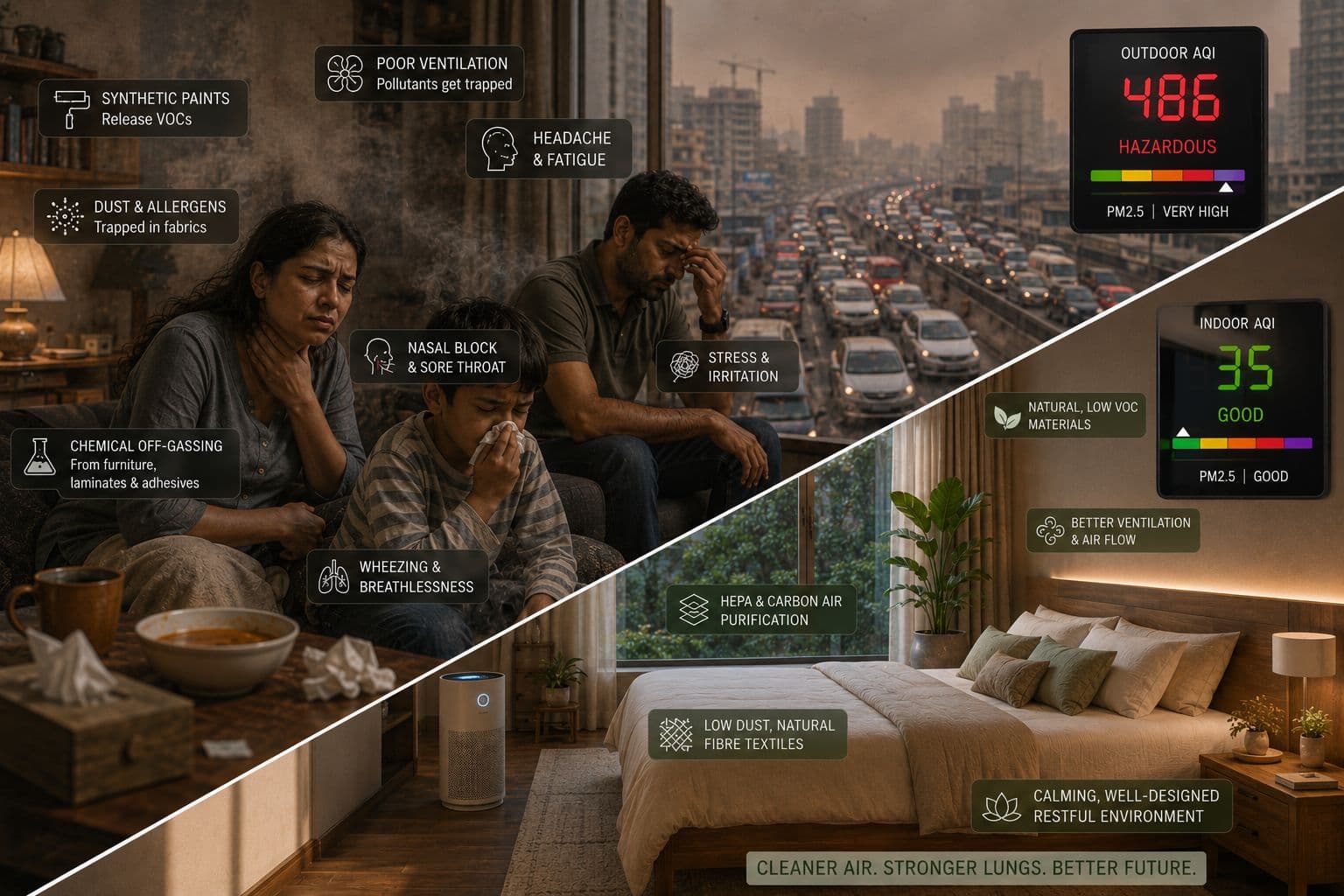
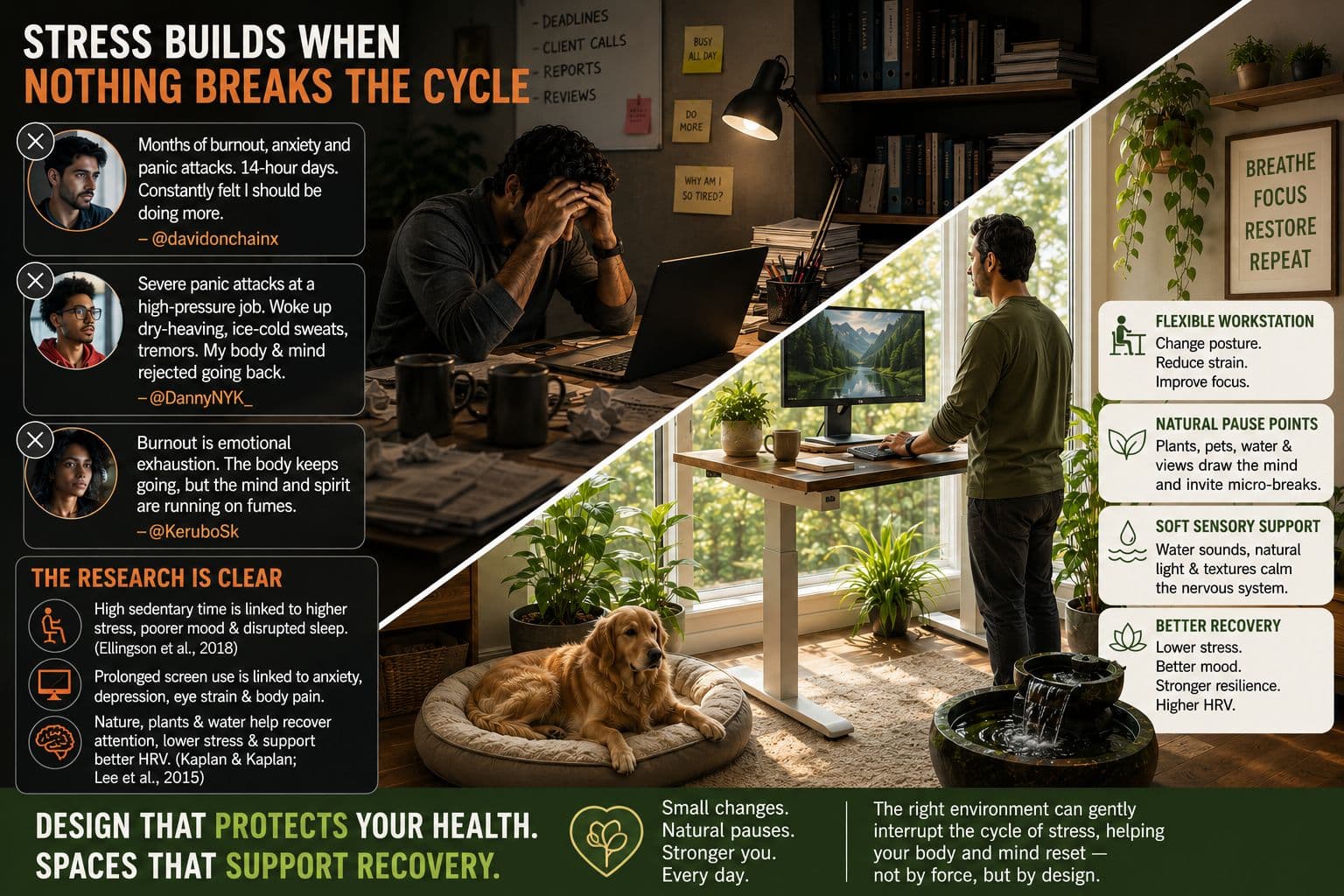
This conversation reminded me how powerfully light — or the complete lack of it — can influence our physiological and psychological well-being. What looks like a simple practical preference can quietly disrupt sleep quality, mood, vitamin D levels, and overall health when it becomes constant.
At Zuiora, we don't believe in forcing people to change their real-life needs. We believe in designing intelligent solutions that work with those needs.
If you've ever felt that your home lighting (or lack of it) is quietly affecting your energy, mood, or sleep — even when you think you've adapted to it — you're not alone.
Lucy was created for exactly these kinds of situations. She listens to your unique routine and lifestyle, then suggests practical, personalised solutions that our design team can bring to life.
Would you like to understand how your own space can better support your natural rhythm? Just say hello to Lucy.