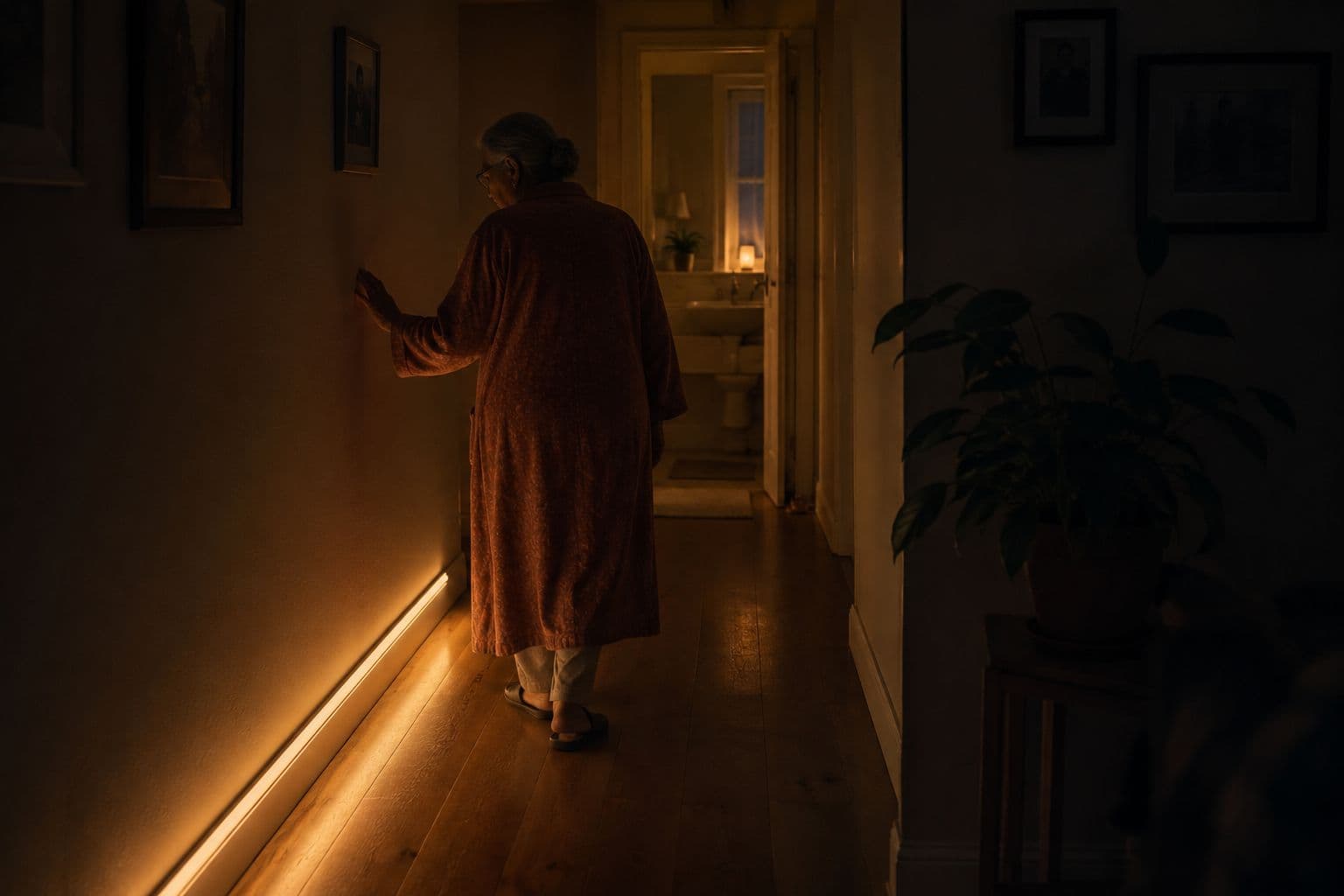
A home can turn into a house almost overnight — same walls, same furniture, and suddenly none of it feels like the place it was. That shift, described almost identically by people going through it, is one of the more disorienting parts of a parent losing their spouse: not just the grief, but the sudden, practical size of the place they're now living in alone.
Why this is worth taking seriously, not just gently
It's well established in research on bereavement that the period right after losing a spouse carries real physical risk for the surviving partner, sometimes called the widowhood effect — a measurable rise in health risk in the months that follow, driven by a mix of grief, disrupted routines, and social isolation. That's not meant to be alarming; it's meant to explain why "give them space and check in occasionally" often isn't quite enough, and why the practical, physical side of how they're living day to day is worth real, gentle attention — alongside the emotional support, not instead of it.
Isolation is the piece that compounds everything else. A parent managing a full house alone — rooms they no longer use, a kitchen sized for two, a routine built around someone who's no longer there — tends to slowly contract into fewer and fewer parts of that house, often without really deciding to. A cold, unused dining room. A bedroom that stays dim because there's no reason to open the curtains in it anymore. Left alone, that contraction tends toward isolation. Redirected, thoughtfully, it can become the actual solution — a house that's honestly sized around one person, done well, rather than a big house slowly going quiet.
The core room: one space that's genuinely complete
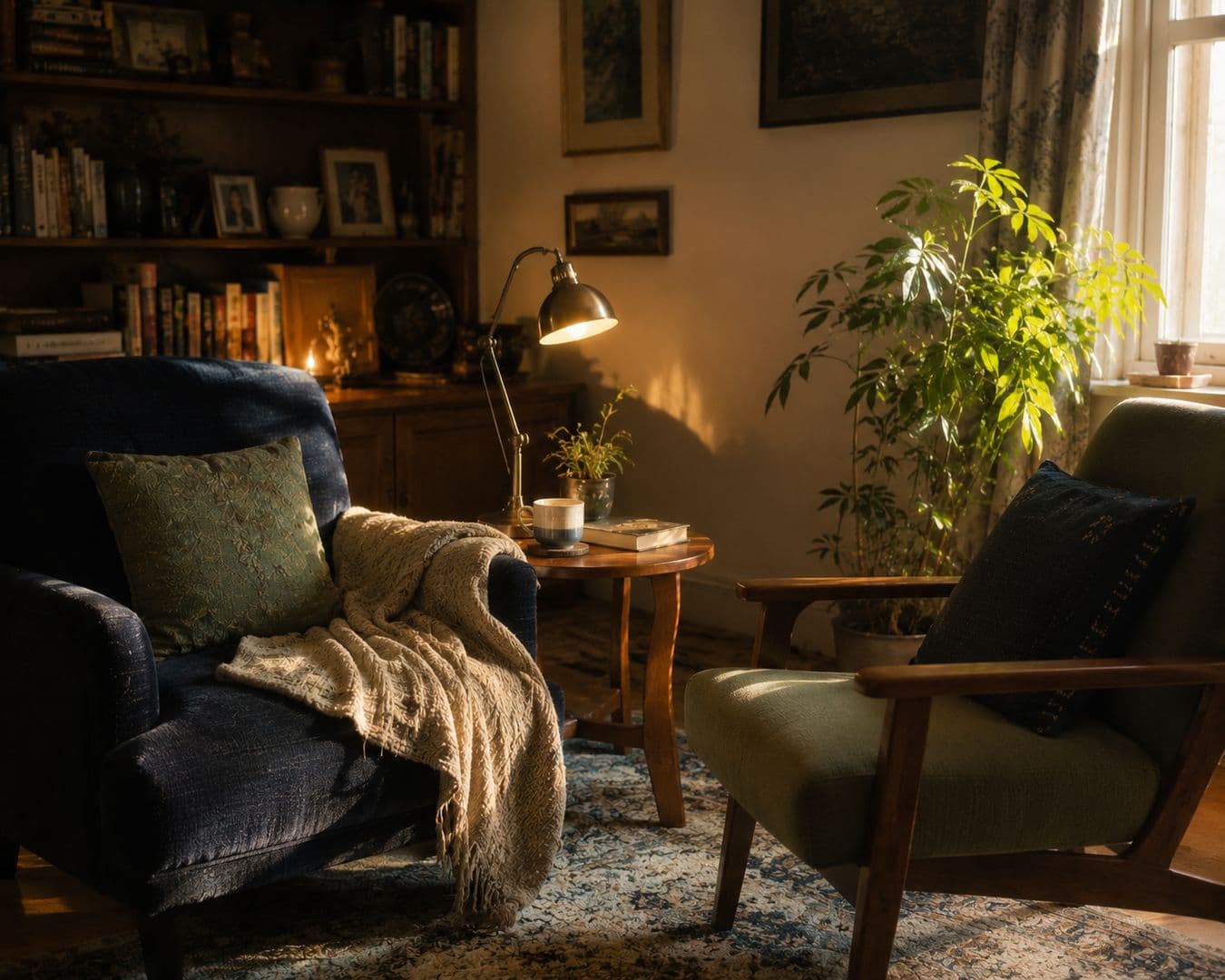
Instead of trying to keep the whole house running as it always did, the single most useful shift is building one room that's fully, deliberately equipped for daily life — so there's rarely a reason to wander a cold house looking for things.
- A good chair and good reading light, positioned somewhere they'll actually want to sit for hours, not just pass through.
- Everything reached for in an evening, within arm's reach — phone charger, a small side table for tea, the remote, a blanket — so nothing requires a trip to another room.
- Real warmth, in the literal sense. A parent living alone is far more likely to under-heat or under-light a room they feel is "wasteful" to run just for themselves. The design itself — comfortable, obviously built for one person to enjoy fully — gives a kind of permission that words often don't.
- A second chair, left deliberately. Even rarely used, a space that visually expects company reads differently than one that's been quietly optimised for solitude.
The kitchen: right-sizing without shrinking their world
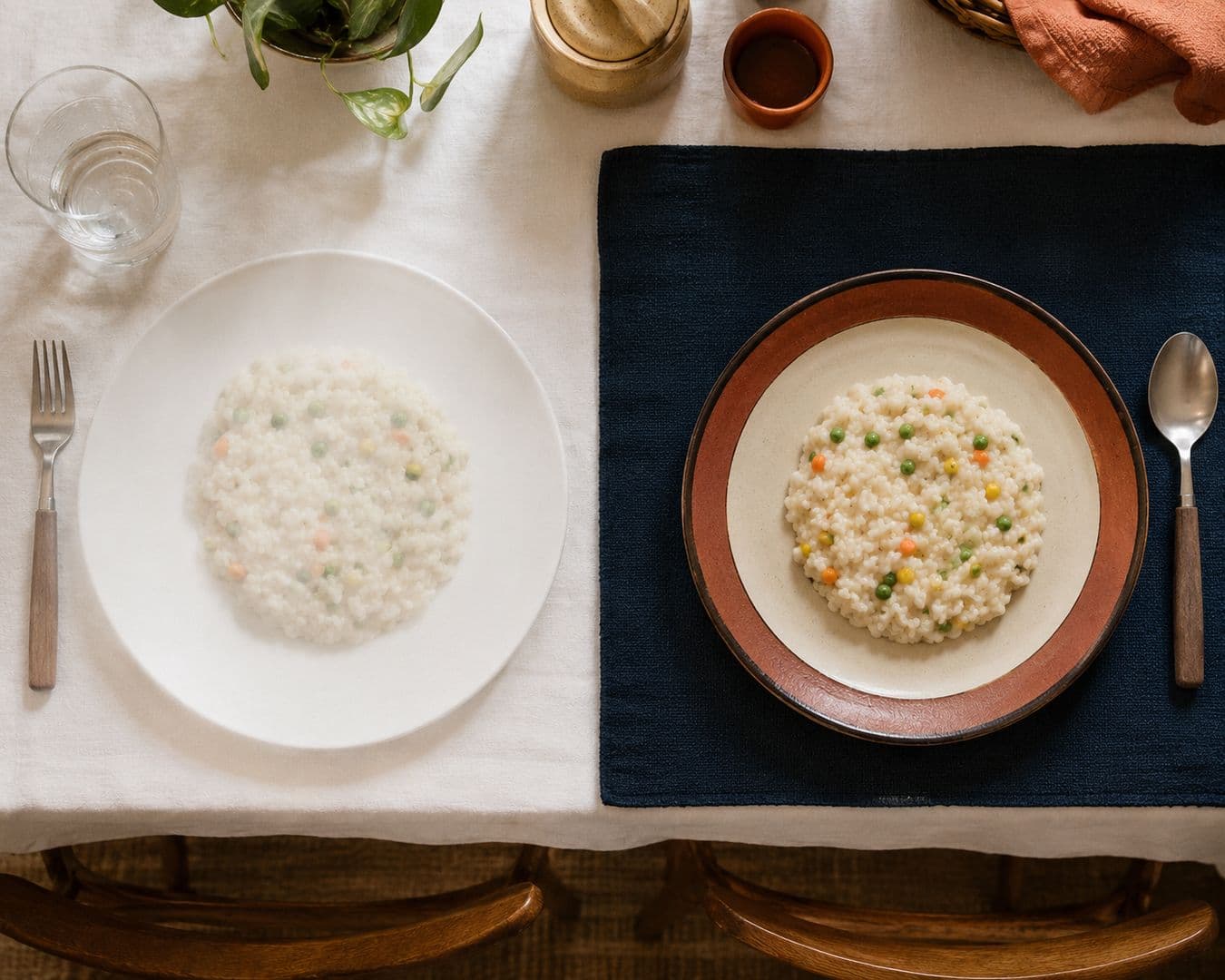
A kitchen built for cooking for two, or for a family, can turn cooking for one into something that feels like too much effort most days — which matters, since skipping meals or eating poorly is a real, common pattern in this period.
- A smaller, fully-equipped daily zone within the larger kitchen — the pan they actually use, the plate, the mug, all in easy reach, rather than spread across cabinets sized for a bigger household.
- Comfortable seating at the counter or table for one, with good light, so a solo meal doesn't default to standing at the counter or eating in front of the television out of a sense that a "proper" meal for one isn't worth setting.
- Visible, appealing storage for the food they actually eat now — patterns often shift substantially, and a pantry still organised for two people's habits can quietly discourage cooking altogether.
The bedroom: a gentler kind of change
This is the most personal room in the house, and there's no single right answer here — some parents want the room largely unchanged for a long time, and that's entirely reasonable. Where change does help, it tends to be small and optional rather than a wholesale redo.
- A layout adjustment offered, never imposed — some people find it easier to use the room differently rather than face an unused side of the bed every night; others don't, and that's their call entirely.
- New, comfortable bedding chosen by them, if and when they're ready — a small, low-stakes way to make the room feel like a fresh decision rather than an absence.
- Good, warm lighting here too, for the same reason as the living space — a dim bedroom that feels not worth lighting for one person is a small, quiet marker of the same contraction worth watching for.
Memory, done thoughtfully
Photos and mementos matter enormously in this period, and there's a real difference between a home that holds memory warmly and one that turns into something closer to a shrine.
- One or two meaningful, well-placed photos in the core living space, rather than every surface — a thoughtful presence rather than an unavoidable one.
- A consistent, integrated way to display things that change over time — new photos with grandchildren, a card from a friend — so the room's memory keeps growing rather than staying frozen at one point.
Making the house welcome company
Isolation research consistently points to social contact as one of the strongest protective factors in this period, and the physical space can either invite that or quietly discourage it.
- Clear, easy seating for two near the entry or living space, so a friend dropping by doesn't require rearranging furniture or apologising for the mess.
- A well-lit, easy-to-use entry — for the same reason it matters in long-distance caregiving: it's often the first thing a visitor, a neighbour, or a home-care helper notices.
- Daylight and something alive in the main living space — a plant, a clear window — genuinely one of the more reliable small counters to the flatness isolation brings, and a good use of a corner that might otherwise go unused.
What this doesn't replace
This is a home change, not a grief plan, and it isn't meant to stand in for the harder, ongoing emotional support a recently widowed parent needs — from family, from friends, sometimes from a counsellor. It's meant to make the physical space they're grieving in work with them instead of against them, room by room, at whatever pace they're ready for — which tends to make everything else, the calls, the visits, the slow return of routine, land a little more easily.
If your family is thinking through what a parent's home should look like now, Zuiora can help you design around exactly this — a house that works for one, without feeling like a downgrade.
Sources
- University Hospitals, "The Widowhood Effect: Is It Real or a Myth?"
- Fenelon & Danielsen, "Widowhood and Mortality: A Meta-Analysis," PMC
- Jason Threadgold Funeral Director, "How To Help A Bereaved Parent Adjust To Living Alone"
- Hometouch, "Helping a Bereaved Parent Live Alone," citing Age UK
This piece touches on bereavement and loss. If you or someone in your family is struggling with grief, a doctor or a bereavement counsellor is a good place to start — organisations like Age UK, AARP's grief and loss resources, or a local hospice's family support service can also help point you toward the right kind of support.